
Gum disease is one of the most widespread and least discussed dental conditions affecting adults today. It progresses quietly, often without pain, and reaches an advanced stage before most patients realize anything is wrong. By the time noticeable symptoms appear, the damage to the gums and underlying bone can already be significant and far more difficult to reverse.
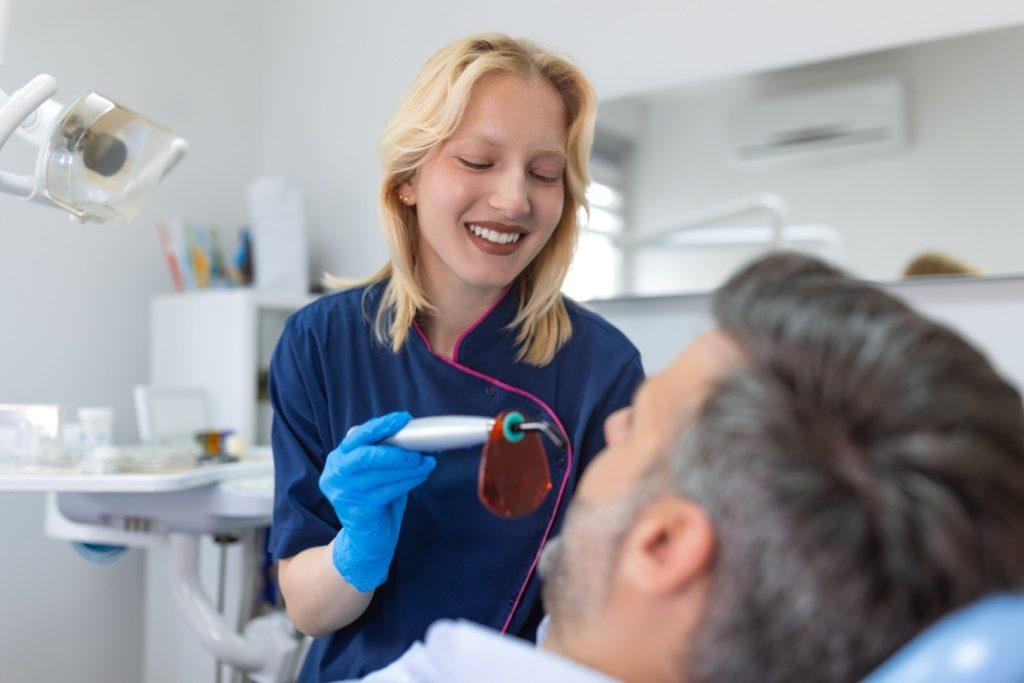
Understanding Perio Disease Before It Gets Out of Hand
The gap between early gum disease and advanced periodontitis is smaller than most people expect, and it closes faster than you might think. Patients who have sought timely help for Perio disease Pittsburgh PA know that early intervention is the single most important factor in protecting both their smile and their long-term oral health. Here is what everyone should understand about this condition before it progresses.
Gum Disease Often Develops Without Obvious Warning Signs
First and foremost, the earliest stages of periodontal disease are remarkably easy to miss. Slight gum tenderness, minor bleeding when brushing, or subtle redness along the gumline are frequently dismissed as normal or temporary. In reality, these are the body’s early signals that bacterial infection has taken hold below the gumline. Because the condition rarely causes significant pain in its initial stages, many patients go months or even years without seeking treatment, allowing the infection to advance steadily in the background.
The Connection Between Gum Disease and Overall Health Is Real
Furthermore, research has established a compelling link between periodontal disease and a range of serious systemic health conditions. Chronic gum infection has been associated with increased risk of heart disease, diabetes complications, respiratory illness, and adverse pregnancy outcomes. The bacteria responsible for periodontal disease do not stay confined to the mouth. They enter the bloodstream and trigger inflammatory responses throughout the body.
Professional Treatment Goes Beyond What Brushing Can Fix
Many patients assume that improving their brushing and flossing routine is sufficient to address gum disease once it has taken hold. While good oral hygiene is absolutely essential, it cannot remove the hardened tartar deposits that accumulate below the gumline and fuel ongoing infection. Professional treatments such as scaling and root planning reach the areas that a toothbrush simply cannot access, clearing out bacterial deposits and creating conditions where the gums can begin to heal and reattach properly.
Early Treatment Preserves More of Your Natural Smile
Another critical point worth understanding is that the progression of periodontal disease directly determines how much of your natural tooth structure can ultimately be saved. In early stages, the damage is largely reversible with consistent professional care and improved home hygiene. As the disease advances, bone loss becomes irreversible and tooth loss becomes increasingly likely. C
Conclusion: Understanding Perio Disease Before It Gets Out of Hand
To wrap it all up, periodontal disease is a serious but highly manageable condition when it is identified and treated before significant damage occurs. Understanding the subtle early signs, recognizing its broader health implications, and seeking professional care promptly are the steps that make all the difference in the outcome. Do not wait for pain to motivate action. Schedule a periodontal evaluation and give your gums the attention they deserve before the window for simpler, more effective treatment closes.
Recent Comments